Unix Epoch Time for Developers and Admins
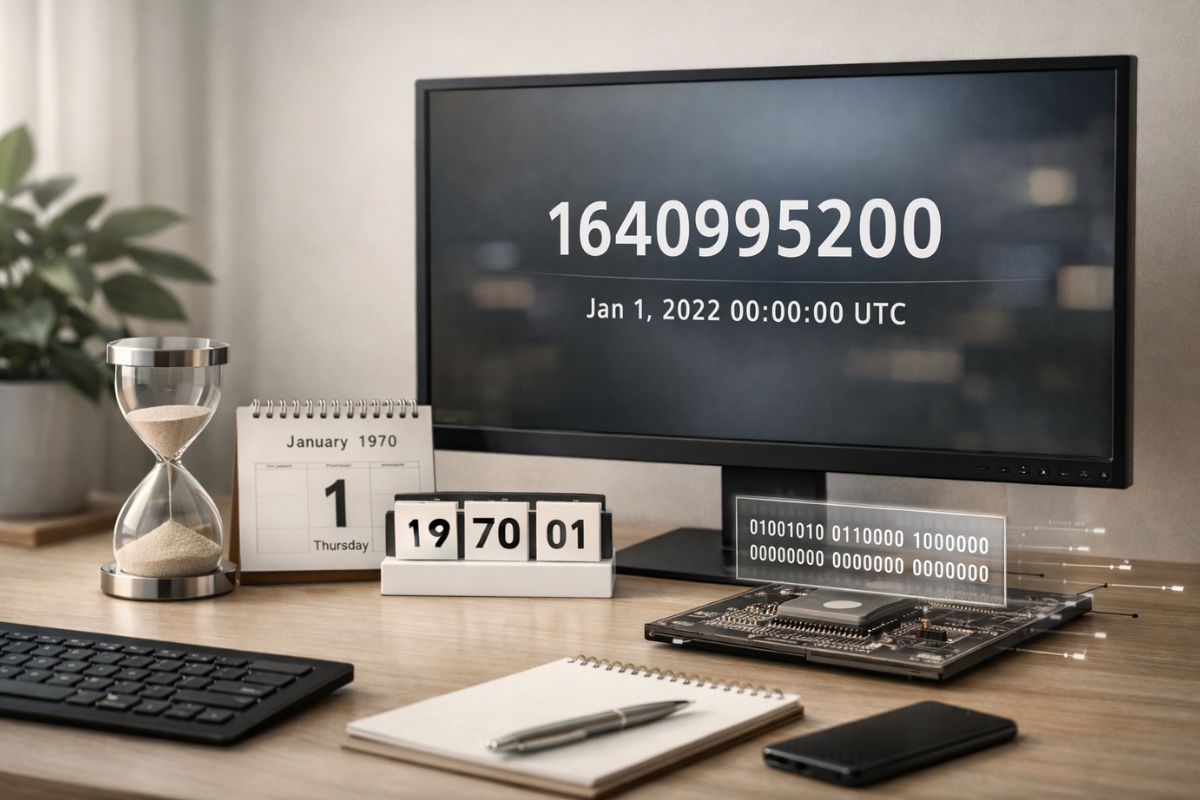
Time sits quietly under every system you run. Logs rely on it. Databases depend on it. Schedulers trust it. Unix time has become the shared clock that keeps machines in agreement even when humans argue about time zones. This article walks through Unix time with a practical lens, written for builders and caretakers of systems who need clarity without fluff.
If you want to watch the counter move in real time, this Unix time reference is handy and fast. It shows the raw number as machines see it, without ceremony.
This piece is written for cfreaks.com readers who enjoy hands on explanations. Expect real world examples, short sentences, and plenty of context. No theory for theory sake. Just time as computers understand it.
Quick Summary
Unix time is a single number that represents seconds since January first nineteen seventy. It avoids time zones, avoids daylight savings trouble, and keeps systems aligned. Developers use it daily, even if they do not notice.
What Unix Epoch Time Really Is
Unix epoch time counts seconds from a fixed starting point. That point is January first nineteen seventy at midnight UTC. The number increases by one each second. No months. No leap days. Just seconds.
This design feels simple, and that is its strength. Computers handle integers well. They do not like calendars. By using a single growing number, systems avoid confusion that humans often introduce.
Unix time ignores local clocks. It does not care where a server sits. A machine in Tokyo and one in Berlin can compare timestamps without translation. That shared understanding is gold for distributed systems.
Why Developers Lean on Unix Time
Code lives longer than people expect. A choice made today may still run ten years from now. Unix time has survived decades because it stays boring and predictable.
APIs often pass timestamps as Unix values. Databases store them as integers. Message queues sort events using them. Every layer agrees on the format.
Here are a few reasons developers keep reaching for it.
- Easy comparison between two moments
- No ambiguity from time zones
- Compact storage as an integer
- Wide language support
Each of these points removes friction. Less friction means fewer bugs hiding in time related logic.
Admins and the Calm of a Single Clock
System admins live inside logs. Logs tell stories. Those stories fall apart if timestamps disagree. Unix time keeps logs aligned across fleets of machines.
Cron jobs often translate human schedules into Unix seconds behind the scenes. Monitoring tools convert events into this format before analysis. Alerts depend on accurate comparisons.
Admins also care about drift. If a server clock slips, Unix timestamps expose the problem fast. Comparing numbers is easier than comparing formatted dates.
Understanding the Limits
Unix time is not magic. It has edges. The most famous one is the Year two thousand thirty eight problem. Systems using signed thirty two bit integers will overflow.
Many modern systems already use sixty four bit integers. That pushes the limit far into the future. Still, legacy code exists. Awareness matters.
Another limit is leap seconds. Unix time does not count them. It assumes a smooth flow of seconds. This choice keeps math simple but causes tiny differences with atomic clocks.
Conversion in Daily Work
Developers convert Unix time constantly. Input from users needs formatting. Output for humans needs calendars. Libraries handle this well.
Here is a simple mental model.
- Unix time stores the moment
- Libraries format it for display
- Storage keeps the raw number
Keeping storage raw avoids future pain. Display rules change. Stored truth should not.
Unix Time Across Programming Languages
Most languages expose Unix time directly. Some call it epoch seconds. Others call it timestamp. The idea stays the same.
JavaScript counts milliseconds. Python counts seconds. Go returns seconds and nanoseconds. Differences exist, yet conversion stays trivial.
Care matters at boundaries. Mixing milliseconds and seconds can cause bugs that look random. Naming variables clearly helps.
| Language | Base Unit | Common Function |
|---|---|---|
| JavaScript | Milliseconds | Date.now() |
| Python | Seconds | time.time() |
| Go | Seconds | time.Now() |
Security and Time Based Logic
Tokens expire. Sessions end. Certificates age. All of this relies on time. Unix timestamps simplify checks.
Comparing integers avoids parsing mistakes. A check becomes a simple greater than or less than operation. That speed matters at scale.
Admins often audit logs by time windows. Unix time lets scripts filter events fast without locale issues.
Working With Humans and Machines
Humans think in dates. Machines think in numbers. Unix time sits between them. It stores truth and lets software translate.
A good interface respects both sides. Store Unix time. Display friendly strings. Log raw values for audits.
This split keeps systems flexible. New display formats do not touch stored data.
Practical Tips From Real Systems
Experience shapes habits. Here are field tested tips that help avoid pain.
- Store timestamps in UTC only
- Name units clearly in variables
- Convert at the edges of systems
Each rule protects future maintainers. Including yourself.
The Quiet Power of a Simple Number
Unix epoch time does not try to impress. It just works. That reliability earned its place at the core of modern computing.
For developers, it removes guesswork. For admins, it brings order to chaos. A single growing number keeps systems honest.
Time will keep moving. Systems will keep changing. Unix time will likely stay right where it is, counting seconds, asking for nothing.










Post Comment